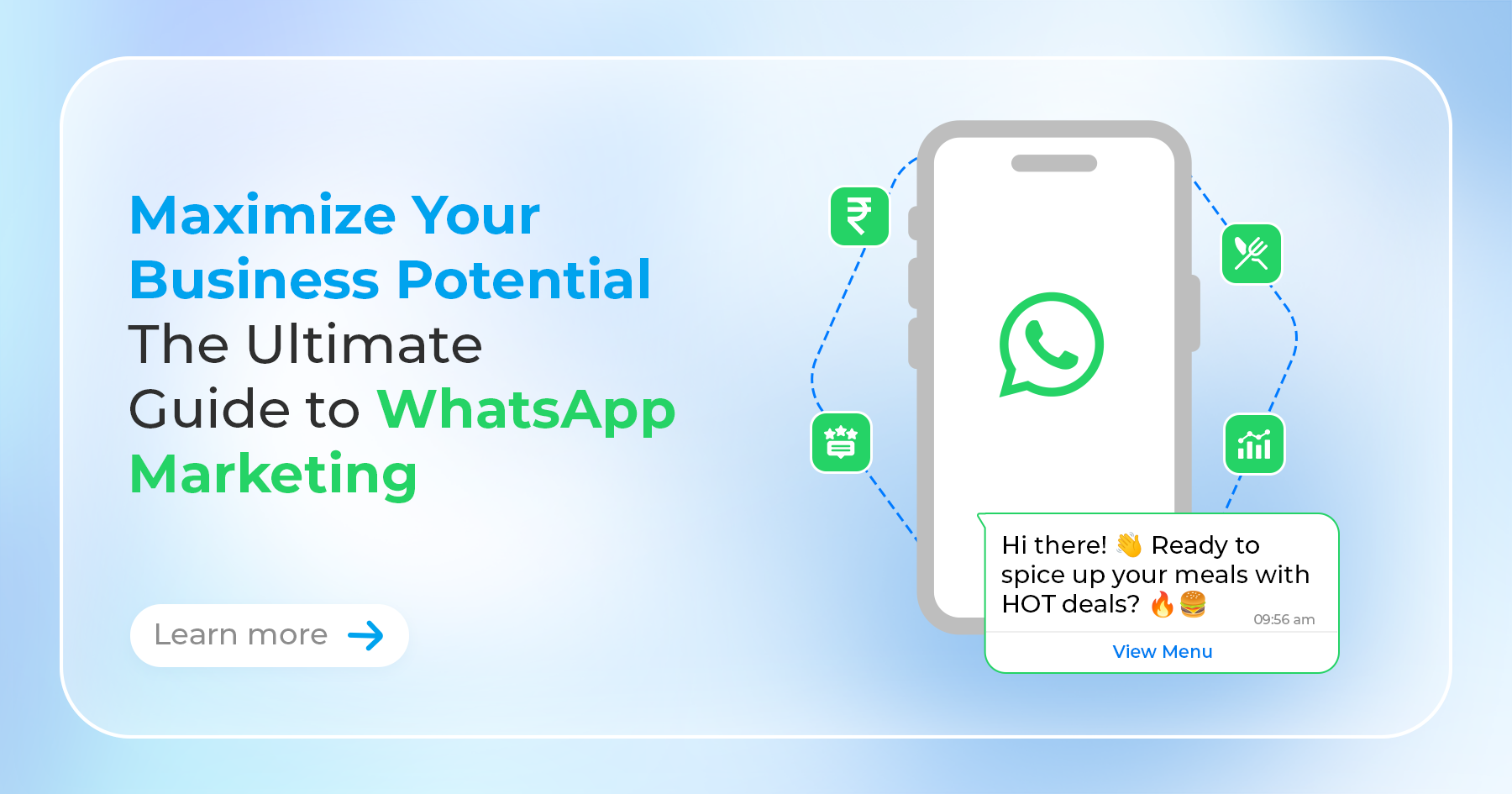
In the competitive and diverse landscape of Indian businesses, leveraging WhatsApp as a marketing tool can significantly enhance customer engagement and drive business growth. With its extensive reach and user-friendly interface, WhatsApp is the ideal platform for businesses to connect with customers, especially in India, where digital communication is increasingly prevalent. This guide explores effective WhatsApp marketing strategies tailored for Indian businesses, complete with practical examples.
1. Understanding the Indian Market
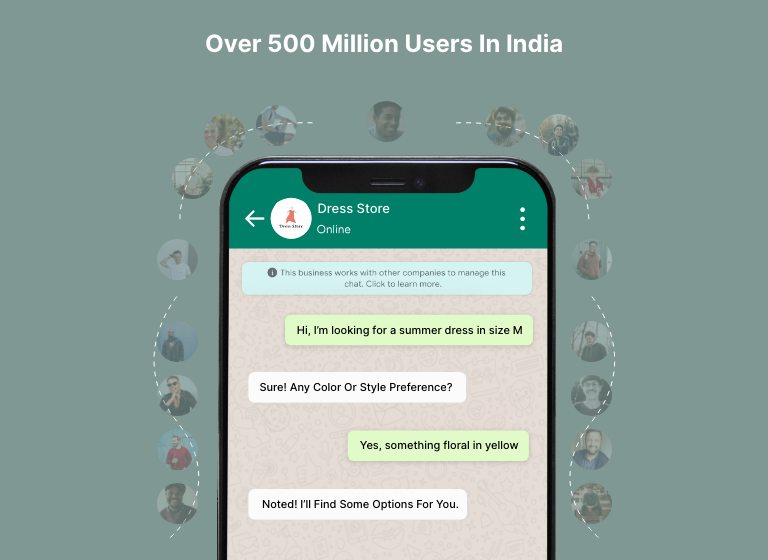
The Indian market is unique in its diversity, encompassing everything from small local shops to large enterprises. WhatsApp marketing is particularly effective in India due to the platform’s widespread use across various demographics. With over 500 million users in India, WhatsApp allows businesses to reach a vast audience, including those in remote areas where traditional marketing channels may not be as effective.
2. Building a Strong WhatsApp Business Profile
For Indian businesses, creating a comprehensive WhatsApp Business profile is the first step toward effective marketing. Your profile should include your business name, logo, contact information, and a brief description of your services. This builds credibility and makes it easier for customers to recognize and engage with your business.
Example: A local grocery store in Mumbai uses its WhatsApp Business profile to display its weekly offers and delivery services. By sharing regular updates, the store keeps its customers informed and engaged.
3. Utilizing WhatsApp Broadcast Lists
Broadcast lists allow you to send messages to multiple contacts without them knowing who else received the message. This feature is particularly useful for Indian businesses that want to send personalized offers or updates to different customer segments.
Example: An online clothing store in Delhi uses broadcast lists to send exclusive discounts to customers who have previously purchased ethnic wear. This targeted approach increases the likelihood of repeat purchases.
4. WhatsApp Status for Promotions
WhatsApp Status, similar to Instagram Stories, allows businesses to share time-limited promotions, new product launches, or behind-the-scenes content. This feature is a great way to keep your audience engaged without overwhelming them with messages.
Example: A popular café in Bengaluru uses WhatsApp Status to announce daily specials and flash sales. Customers who check the status regularly are more likely to visit the café to take advantage of the offers.
5. Customer Support and Engagement
WhatsApp is an excellent platform for providing customer support. Indian businesses can use it to answer inquiries, resolve issues, and build stronger relationships with their customers.
Example: A tech startup in Hyderabad uses WhatsApp to provide 24/7 customer support, helping customers troubleshoot problems with their products. The immediate response time and personalized communication enhance customer satisfaction.
6. Incorporating WhatsApp in Loyalty Programs
Integrating WhatsApp into your loyalty programs can help increase customer retention. Businesses can send updates on loyalty points, exclusive rewards, and upcoming promotions directly through WhatsApp.
Example: A chain of beauty salons in Chennai sends reminders to customers about their accumulated loyalty points and special offers on their favorite services. This encourages repeat visits and boosts customer loyalty.
7. Running Contests and Giveaways
8. Collecting Feedback through WhatsApp
Collecting customer feedback is crucial for improving services and understanding customer needs. WhatsApp’s easy-to-use interface encourages customers to share their thoughts quickly.
Example: A fitness center in Pune sends a WhatsApp message after every session, asking members to rate their experience. This feedback is then used to enhance services and tailor future promotions.
9. Targeted Marketing with WhatsApp Groups
WhatsApp Groups can be used for more targeted marketing efforts. Indian businesses can create groups based on customer interests, location, or purchase history to deliver more relevant content.
Example: A bookstore in Ahmedabad creates a WhatsApp Group for customers interested in new releases and literary events. The group receives exclusive updates and invitations to book launches, driving engagement and sales.
10. Leveraging WhatsApp’s Multimedia Capabilities
WhatsApp supports various media formats, including images, videos, and voice messages. Indian businesses can use these features to create engaging and visually appealing content.
Example: A jewelry brand in Jaipur uses WhatsApp to send high-quality images and videos of their latest collections to customers. The visual appeal helps customers make purchase decisions faster.
Conclusion
WhatsApp marketing offers Indian businesses a powerful tool to engage with their customers, streamline communication, and drive growth. By understanding the unique dynamics of the Indian market and utilizing WhatsApp’s features effectively, businesses can create personalized, engaging marketing campaigns that resonate with their audience.
Incorporating these strategies into your WhatsApp marketing efforts can help you build stronger customer relationships, increase sales, and stay ahead in the competitive Indian market. Whether you’re a small business or a large enterprise, WhatsApp provides the flexibility and reach you need to succeed in today’s digital landscape.